 Skip to main content Skip to footer

Learn about the main types of shrink sleeve labels for products packaging. Explore the benefits and make the right choice to revolutionize your product packaging, and boost shelf appeal and brand impact.
Introduction
Shrink sleeve labels have revolutionized modern packaging, offering businesses a dynamic way to enhance product appeal and functionality. This article discusses the main types of shrink sleeve labels: full-body sleeves, partial sleeves, shrink bands, and multi-pack sleeves, details their technical specifications, applications, and advantages, and offers practical guidance for selecting the right type for your product.
What Are Shrink Sleeve Labels?
Shrink sleeve labels are advanced packaging solutions made from heat-sensitive polymer films that conform tightly to a container’s shape when exposed to controlled heat (about 70℃). Applied via automated machinery, shrink sleeve labels shrink uniformly, hugging every curve and contour to deliver a seamless, professional finish.

The rise in popularity of shrink sleeve labels stems from their ability to combine robust product protection with striking, 360-degree branding opportunities. Shrink sleeve labels perfectly combine aesthetics and practicality. Whether adorning a sleek beverage bottle or securing a pharmaceutical cap, shrink sleeves are engineered for precision and adaptability, making them a standout choice in today’s competitive markets. (Read more: Custom Shrink Sleeves for Bottles >>)
4 Types of Shrink Sleeve Labels – By Coverage Area
As a leading choice for product packaging, shrink sleeve labels offer a lot of versatility. They can be classified by how much of the container they cover, the material they’re made from, their intended use, how they’re printed, and more.

However, the key way to categorize these versatile labels is by the extent of container coverage they provide. This directly impacts both the aesthetic appeal and the functionality of the packaging. Let’s explore the primary types of shrink sleeve labels based on their coverage.
Full-Body Shrink Sleeves
Full-body shrink sleeves envelop an entire container, covering the entire container surface. These sleeves provide maximum branding and design opportunities.

- Complete Coverage: As the name suggests, full-body shrink sleeves encapsulate the entire container, from top to bottom, providing a 360-degree canvas for graphics and a maximum surface area for branding.
- Maximum Impact: This option offers the largest printable area, allowing for intricate designs, vibrant colors, and comprehensive product information.
- Shape Versatility: Ideal for uniquely shaped or contoured containers, as the film shrinks to conform perfectly to the product’s form.
- Common Applications: Widely used in beverages, food products, cosmetics, and personal care items where visual appeal is paramount. (Read more: Food and Beverage Label Manufacturers >>)
Partial Body Shrink Sleeves
Focusing on a specific section of the container, partial sleeves offer a balance of branding and cost-effectiveness.

- Targeted Coverage: These sleeves cover only a specific portion of the container, such as the middle section or the shoulder area, leaving other areas exposed. So it can maintain a lightweight footprint.
- Cost-Effective: These sleeves are a more economical choice than full-body sleeves, as they use less material without sacrificing impact.
- Strategic Design: It allows for showcasing the container’s inherent color or texture while still providing ample space for key branding elements (such as logos) and essential information (such as nutritional facts).
- Common Applications: It is frequently employed when partial transparency is desired, or to highlight a particular feature of the container itself, or for budget-conscious brands or products with minimalist design needs, such as snack containers or household cleaners.
Shrink Bands (Tamper-Evident Shrink Sleeves)
Shrink bands, also known as neck bands, are compact, cylindrical sleeves designed to encircle container caps, lids, or necks. They are primarily used for security and provide a clear indication of tampering and ensure product integrity.
- Security Focus: Primarily designed to cover the container’s neck, lid and cap, providing a visible seal that indicates if the product has been tampered with.
- Consumer Confidence: Enhances product safety and builds trust with consumers by assuring them of product integrity.
- Easy to Uses: Typically feature a perforation or tear strip for easy removal by the end-user.
- Common Applications: Crucial for pharmaceuticals, food and beverage products, and any application where product security is a top priority.
Combination (Multi-Pack) Shrink Sleeves
Designed to bundle multiple products together, these sleeves create a single, cohesive unit for promotions, variety packs, or bulk sales.

- Unified Packaging: Multi-pack shrink sleeves bundle multiple items into a single, cohesive unit, streamlining bulk sales and consumer convenience.
- Secure and Convenient: Applied over grouped products, like a six-pack of soda cans, these sleeves shrink to create a tight, unified package, often with perforations for easy separation.
- Durable and Promotional: Their robust design withstands transport rigors while doubling as a promotional canvas, offering ample space for branding and marketing messages.
- Retail and Manufacturing Benefits: Retailers appreciate them for driving value-driven purchases, encouraging customers to buy in larger quantities. Manufacturers benefit from the operational efficiency they bring to the packaging line, simplifying the process of grouping products.
- Versatile. These can be combined with full body, or partical body labels.
Shrink Sleeve Label Types by Other Classification
As before mentioned, there are different classifications of shrink sleeve labels, here introduce other popular types of shrink sleeve labels.
By Material
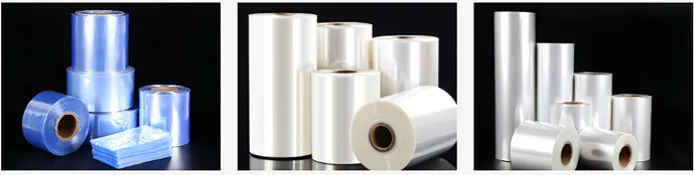
- PETG (Polyethylene Terephthalate Glycol) Shrink Sleeves: Increasingly the preferred choice, PETG balances performance, sustainability, and visual appeal. It’s recyclable, has a high shrink rate, excellent clarity, and good durability, making it a versatile and widely accepted option. While more expensive than PVC, its benefits make it a cost-effective choice long-term.
- OPS (Oriented Polystyrene) Shrink Sleeves: Ideal for highly contoured containers requiring extreme shrinkability, OPS offers a cost-effective solution. It boasts a very high shrink rate and good print quality, but is less durable than PETG.
- PLA (Polylactic Acid) Shrink Sleeves: The most eco-friendly option, PLA is biodegradable and made from renewable resources. It offers good shrink performance but has lower heat resistance and a higher cost.
- PVC (Polyvinyl Chloride) Shrink Sleeves: Once the most common, PVC use is declining due to environmental concerns, especially in Europe and Japan. While it offers good shrink performance, excellent print quality, and is cost-effective, its non-recyclability makes it a less desirable option.
By Printing Process
- Rotogravure Shrink Sleeves: Rotogravure printing offers high-quality printing and are suitable for long print runs (large quantities).
- Flexographic Shrink Sleeves: Flexographic printing provides good print quality and are more cost-effective for medium-sized print runs.
- Digital Shrink Sleeves: Digital printing is ideal for short print runs, variable data printing (e.g., unique codes or names), and personalization.
By Function
- Decorative Shrink Sleeves: Primarily used to enhance packaging aesthetics and increase product appeal.
- Promotional Shrink Sleeves: Used for promotional activities, such as bundling products for sales or packaging giveaways.
- Informational Shrink Sleeves: Contain detailed product information, ingredient lists, usage instructions, and other essential data.
It’s worth noting that, in addition to standard shrink sleeve labels, there’s also a specialized type with a unique function: sublimation shrink wrap sleeve. It is designed for sublimation of tumblers, mugs, caps and more.
How to Choose Right Shrink Sleeve Labels for Your Products?
Selecting the perfect shrink sleeve label involves carefully considering several factors to ensure it aligns with your product, branding ambitions, budget, and overall objectives. Here’s a structured approach to guide your decision:
Key Considerations
- Container Shape & Size:
- Match the sleeve type (full-body, partial, neck band) to your container’s contours.
- Ensure accurate measurements for a snug, wrinkle-free fit.
- Brand & Design:
- Choose a sleeve that provides enough space for your branding and design elements.
- Consider the desired visual impact (bold and comprehensive vs. minimalist).
- Budget:
- Factor in material costs (PVC, PETG, OPS, PLA).
- Full-body sleeves are generally more expensive than partial sleeves.
- Printing method (digital, flexo, gravure) impacts cost, especially for different batch sizes.
- Sustainability:
- Prioritize eco-friendly materials (PETG, PLA) if environmental impact is a concern.
- Be aware of any regulations regarding material usage.
- Tamper-Evidence:
- If security is crucial, choose neck bands (tamper-evident sleeves).
- Production Volume:
- Digital printing is often best for small batches/customization.
- Flexographic or rotogravure printing is typically more cost-effective for large volumes.
Comparison Table
| Type | Coverage | Shrink Range | Key Benefit | Best For |
|---|---|---|---|---|
| Full-Body Sleeves | Entire container | 60–78% | Maximum branding | Beverages, cosmetics |
| Partial Sleeves | Specific sections | 40–60% | Cost-effective focus | Snacks, cleaners |
| Shrink Bands | Caps or necks | 50–70% | Tamper-evidence | Pharma, food jars |
| Multi-Pack Sleeves | Multiple items | 50–65% | Bulk convenience | Beverage packs, combos |
Given the many factors involved, consulting with shrink sleeve label manufacturers is highly recommended to ensure you choose the optimal solution for your product.
FAQs
- Which Type of Shrink Sleeve Label Is the Most Cost-Effective for Large Production Runs?
For high-volume production, shrink bands are typically the most budget-friendly option. They use minimal material and require less complex application processes, making them ideal for businesses prioritizing cost efficiency without sacrificing functionality. Partial shrink sleeves are also economical, especially when full coverage isn’t necessary. However, for premium products where branding is key, full-body sleeves might offer better long-term value despite higher upfront costs due to their enhanced visual impact. - How Easy Is It to Apply Different Types of Shrink Sleeve Labels, and Do They Require Special Equipment?
Application ease depends on the type. Shrink bands are the simplest—slipped over a cap or lid and shrunk with basic heat tools, making them suitable even for smaller operations. Partial and full-body sleeves require more precision, often needing automated shrink tunnels for consistent heat application, especially in high-speed production lines. Multi-pack sleeves also demand careful alignment but can be streamlined with modern machinery. While all types can benefit from specialized equipment, shrink bands are the most adaptable to manual or semi-automated setups. - Which Type Offers the Best Durability for Products Exposed to Moisture or Extreme Temperatures?
Full-body shrink sleeves stand out for durability, covering the entire container with materials like PETG that resist moisture, scuffs, and temperature changes. They’re ideal for products in challenging environments, such as refrigerated goods or outdoor items, acting as a protective barrier. Shrink bands, while durable in their specific areas, provide less overall coverage. For maximum durability, full-body sleeves are the top choice. - What Are the Eco-friendly Options Available for Each Type of Shrink Sleeve Label?
Eco-friendly options exist across all types, depending on material selection. PETG, a recyclable polymer, is commonly used for full-body, partial, and multi-pack sleeves. Shrink bands can leverage biodegradable films, an emerging sustainable choice. Full-body sleeves can also be made with thinner films or recycled content to reduce environmental impact. Buyers should seek suppliers offering certified sustainable materials and consider local recycling infrastructure when choosing a type. - How Do I Determine Which Type Is Best Suited for My Product’s Container Shape and Size?
Container shape and size heavily influence the choice. Full-body sleeves excel on irregularly shaped or tapered containers, shrinking to fit every contour. Partial sleeves suit cylindrical or flat surfaces but may struggle with complex shapes. Shrink bands are versatile for standard caps or lids, regardless of the container’s body. Multi-pack sleeves must match the dimensions of grouped products. Testing samples on your specific containers—often available from suppliers—is the most reliable way to ensure compatibility.
Conclusion
Selecting the appropriate type of shrink sleeve label is vital for enhancing your product’s packaging, ensuring its protection, and maximizing its shelf appeal. Among the various options, full-body shrink sleeves have shown great promise, particularly for products requiring 360-degree branding and tamper-evidence, with growing adoption in markets worldwide.
For those looking to make the best choice for their packaging needs, Hengping Industry is here to assist. Specializing in shrink sleeve labels, Hengping Industry is committed to researching and producing top-quality solutions tailored to your packaging requirements. With our expertise and diverse range of options, we aim to support and enhance your packaging success.


 English
  French
  German
  Spanish
  Portuguese
  Italian
  Dutch
Dutch  Turkish
  Russian
  Arabic
  Japanese
  Korean
  Vietnamese
  Thai
Thai  Indonesian